A Jewel of the Silk Road
Uzbekistan: Where History Glows in Blue
Wander through cities adorned with turquoise domes and intricate tilework, where echoes of caravans and scholars still linger, and the spirit of the Silk Road continues to shape a culture rich in history and beauty.
Azure Domes & Living History
Iconic Landmarks
From the radiant mosaics of Samarkand to the preserved old town of Bukhara, explore cities where history lives on through intricate architecture, vibrant culture, and the spirit of the Silk Road.
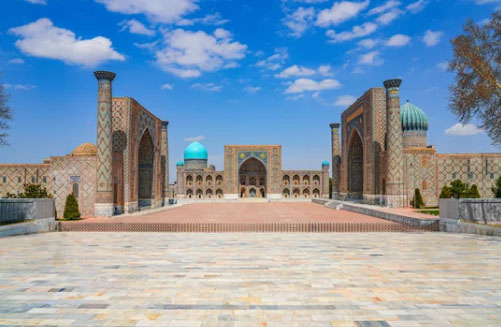
Registan Square
The iconic heart of Samarkand, where three grand madrasas adorned with intricate blue mosaics showcase the brilliance of Timurid architecture.
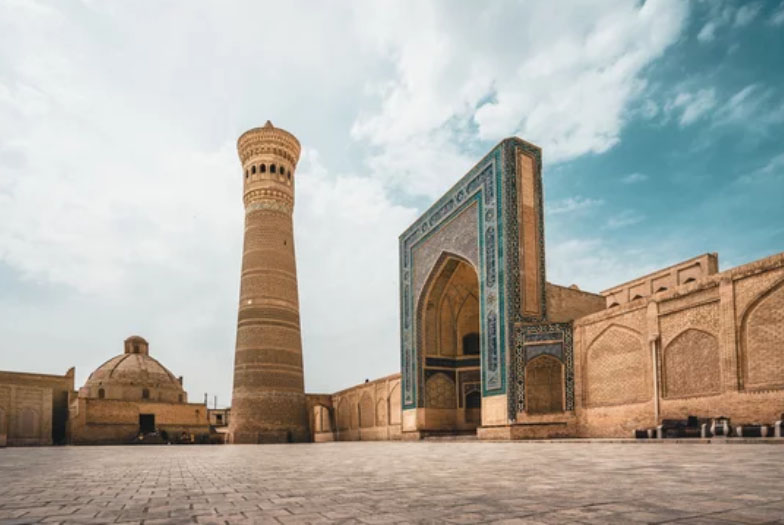
Poi Kalyan Complex
A historic ensemble in Bukhara featuring the towering Kalyan Minaret and elegant mosques, once a spiritual and cultural center of the Silk Road.
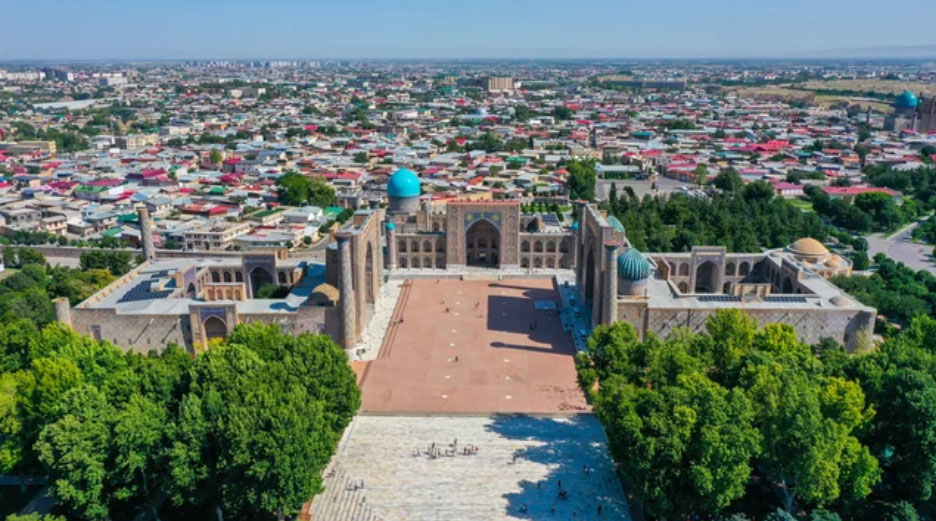
Samarkand
A legendary Silk Road city famed for its majestic architecture, vibrant history, and stunning turquoise domes.
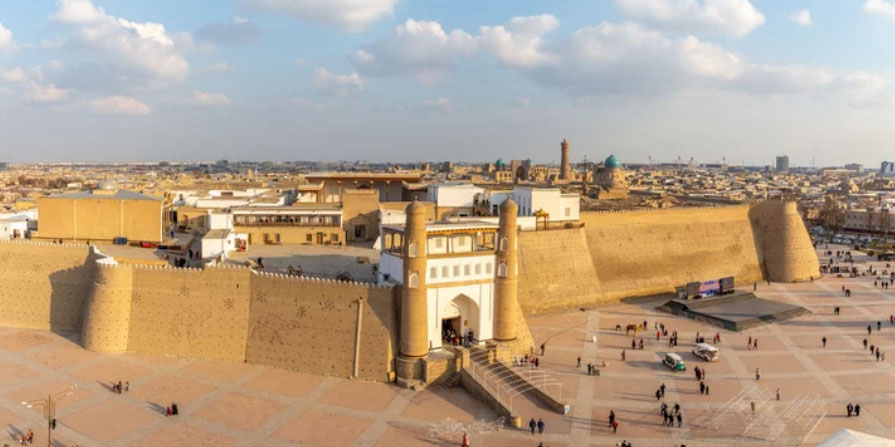
Bukhara
A living museum of Central Asia, where ancient streets, mosques, and madrasas preserve centuries of Islamic culture and tradition.
A Taste of Timeless Uzbekistan
Recipes Passed Down Across Caravan Routes
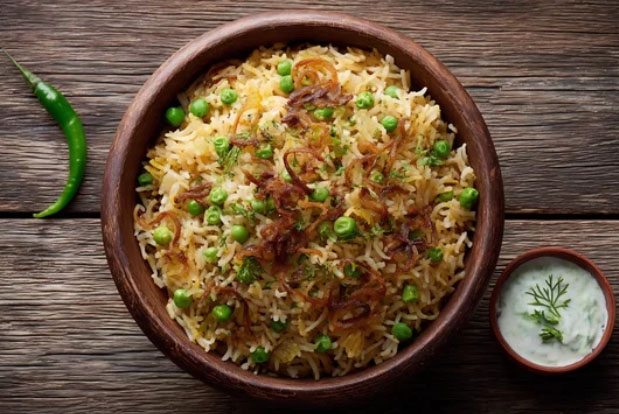
Plov
A beloved national dish of Uzbekistan, featuring fragrant rice cooked with tender meat, carrots, and spices—an essential taste of the Silk Road.
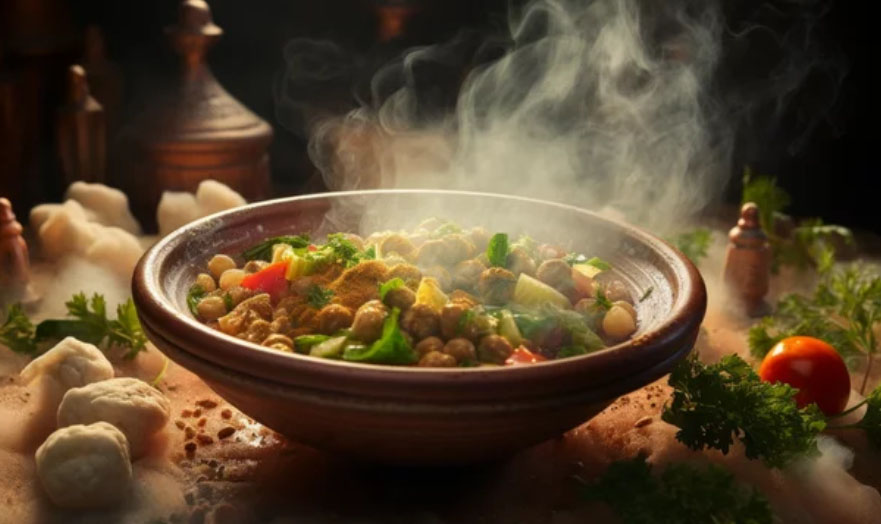
Shorpa
A Hearty Broth of Simplicity, slow-cooked with meat and vegetables, offering warmth and nourishment rooted in traditional steppe living.
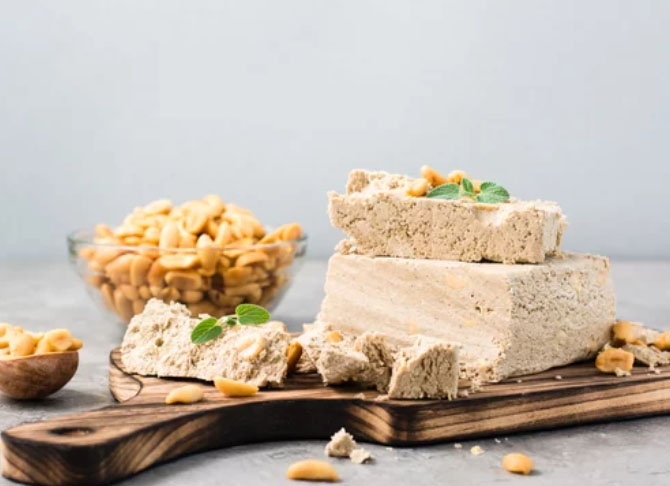
Halva
A traditional sweet enjoyed across Central Asia, made with nuts, seeds, or flour, offering a rich, delicate sweetness that reflects centuries of culinary heritage.
ウズベキスタン共和国の歴史
Echoes of Empires Beneath Azure Domes
From the rise of Timurid splendor to the bustling caravan routes of the Silk Road, discover a history shaped by conquest, knowledge, and timeless artistry.
古代
スキタイ人(紀元前8世紀 - 紀元前3世紀)
中心はカザフ草原〜黒海周辺で、ウズベキスタンは“周縁エリア”という位置づけです。
アケメネス朝ペルシア(紀元前6世紀 - 紀元前330年)
ソグディアナ地域を支配し、ゾロアスター教が広まる。
マケドニア王国(紀元前330年 - 紀元前323年)
アレクサンドロス大王の遠征により、ギリシャ文化が導入される。
セレウコス朝(紀元前312年 - 紀元前250年頃)
ギリシャ文化が広がり、東西交易が活発化。
グレコ・バクトリア王国(紀元前250年頃 - 紀元前130年頃)
ギリシャ文化と東方文化が融合。
クシャーナ朝(紀元前1世紀 - 3世紀)
仏教が広まり、ガンダーラ美術が栄える。紀元前1世紀から3世紀にかけて、現在のウズベキスタン南部(バクトリア地方)では、クシャーナ朝の保護下で仏教が黄金時代を迎えました。
中世
突厥帝国 (6世紀 - 8世紀)
テュルク系遊牧民が支配し、草原地帯で勢力を拡大。
560年代、突厥(木汗可汗)はササン朝ペルシアのホスロー1世と結び、それまで中央アジアを支配していたエフタルを挟撃して滅ぼしました。これにより、サマルカンドやブハラを含むソグディアナ地方(現ウズベキスタンの主要部)が突厥の領土となりました。 突厥の支配下でも、実質的な経済・文化活動はイラン系のソグド人が担っていました。
サーマーン朝 (819年 - 999年)
イラン系イスラム王朝で、ブハラが文化と学問の中心地となる。
カラハン朝(840年 - 1212年)
トルコ系イスラム王朝で、イスラム教が広まる。
モンゴル帝国(13世紀)
チンギス・ハーンの侵攻により、サマルカンドやブハラが破壊される。
ティムール朝(1370年 - 1507年)
ティムールが建国し、サマルカンドを中心に文化が栄える。
近世
ブハラ・ハン国、ヒヴァ・ハン国、コーカンド・ハン国 (16世紀 - 19世紀)
地域ごとの独立王朝が成立。
近現代・現代
ロシア帝国 (19世紀後半 - 1917年)
中央アジアを支配し、ウズベキスタン地域を保護国化。
ソビエト連邦(1924年 - 1991年)
ウズベク・ソビエト社会主義共和国として統治される。
集団農場政策により農業が変化。
第二次世界大戦中、工業化が進む。
ウズベキスタン共和国(1991年 - 現在)
ソビエト連邦崩壊後に独立を達成。独立が宣言され、ソ連から離脱し独立国となった。
サマルカンドやブハラなどの歴史的都市が観光地として注目される。
経済改革とインフラ整備が進行中。ウズベキスタンは、シルクロードの要所として多くの文化や王朝が交差する舞台でした。
三ハン国
ブハラ・ハン国、ヒヴァ・ハン国、コーカンド・ハン国は18世紀後半から19世紀後半にかけて同時に存在していました。
ブハラ・ハン国(1785年からはマンギト朝ブハラ・アミール国):もっとも権威があり、中心的な存在。1868年: ブハラがロシアの保護領になる。
ヒヴァ・ハン国(1511年〜):アムダリヤ川下流域(ホレズム地方)を支配。1873年: ヒヴァがロシアの保護領になる。
コーカンド・ハン国(1709年頃〜):フェルガナ盆地を中心に急成長し、18世紀後半に他2国と肩を並べる勢力に。1876年: コーカンド・ハン国がロシアに滅ぼされ、最初に消滅。 (ブハラとヒヴァは形式上「国」として残りましたが、1920年の革命で完全に消滅しました)
ソ連時代の境界策定
ウズベキスタンはオアシス地帯や都市(タシケント、サマルカンドなど)を中心とした人口密度の高い地域を継承したため、面積はカザフスタンより小さくなりました。