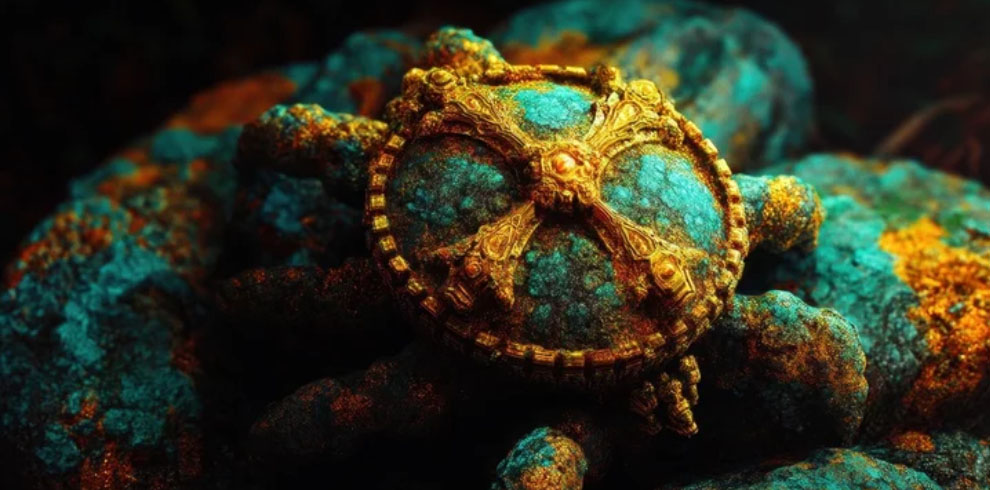
The White Marble Mirage of Central Asia
Turkmenistan: Where Nomad Souls and Marble Dreams Converge
Experience a land of striking contrasts, from Ashgabat’s white-marble grandeur to the fiery Darvaza Crater. Here, legendary horses and Silk Road ruins tell the timeless story of a desert empire.
Where the Desert Breathes Fire and Color.
Iconic Landmarks
Experience the striking evolution of Central Asia, from the futuristic white-marble splendor of Ashgabat to the ancient, wind-swept ruins of Merv that once ruled the heart of the Silk Road.
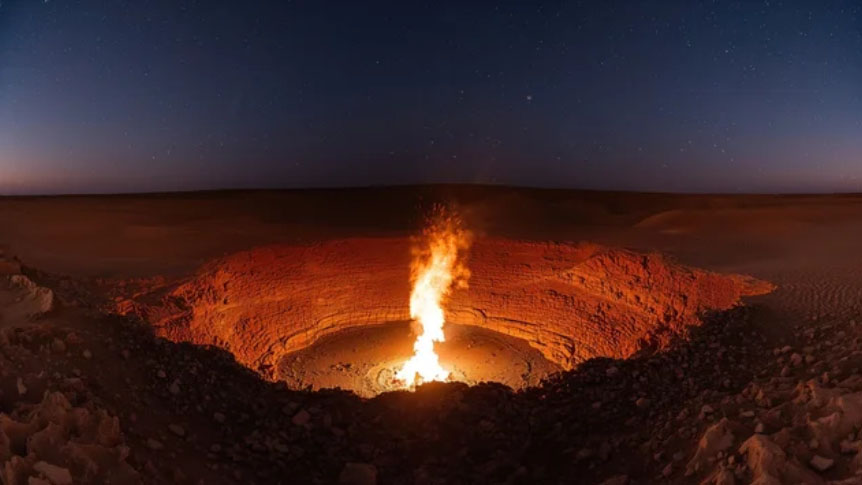
Darvaza Gas Crater (The Door to Hell)
A mesmerizing fiery abyss in the heart of the Karakum Desert that has been burning for over 50 years. This surreal spectacle is Turkmenistan’s most famous natural wonder, especially breathtaking under the starlit desert sky.
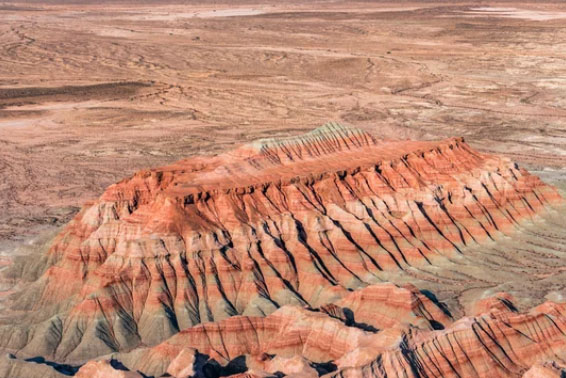
Yangykala Canyon
Known as the "Fire Fortresses," these vast, multi-colored canyons were once an ancient seabed. The striking bands of pink, red, and white rock create a landscape often called the "Grand Canyon of Central Asia."
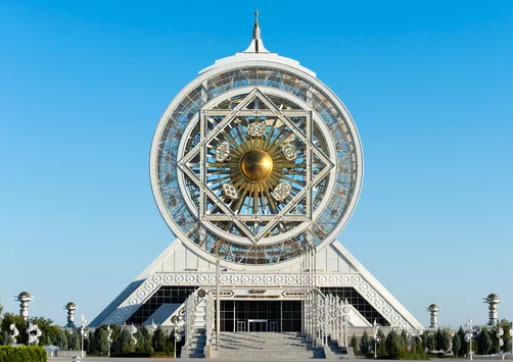
Ashgabat (The City of White Marble)
The capital holds the Guinness World Record for the highest concentration of white marble buildings. It is a futuristic oasis defined by golden domes, towering monuments, and impeccably clean, grand boulevards.
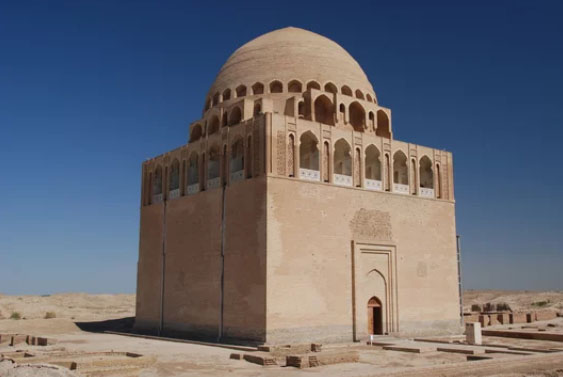
Merv (The Ancient Pearl of the Silk Road)
A UNESCO World Heritage site and once one of the largest cities in the medieval world. Wander through the massive earthen walls of Kyz Kala and ancient mausoleums that whisper tales of a glorious Silk Road past.
Savor the Hearth of the Desert
From the hearty aroma of slow-cooked Plov to the golden crust of traditional Tamdyr bread, Turkmen cuisine is a celebration of history. Rooted in nomadic traditions and enriched by Silk Road spices, every bite tells a story of hospitality and the enduring spirit of the desert.
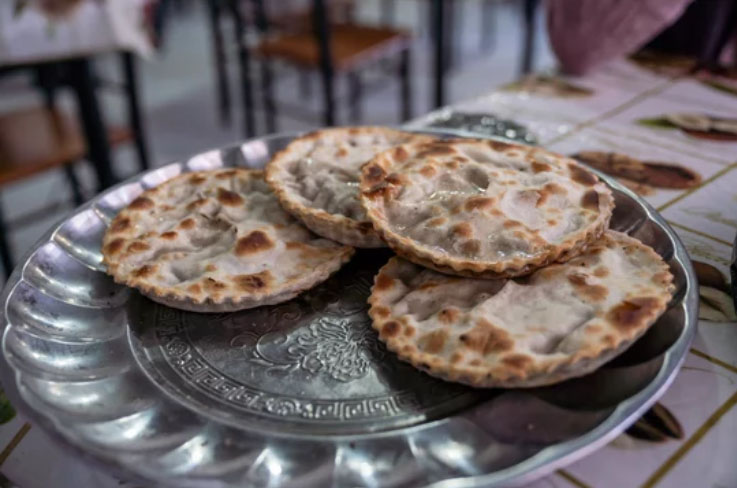
Ishlekli
The Hearty Soul of Desert Nomads.
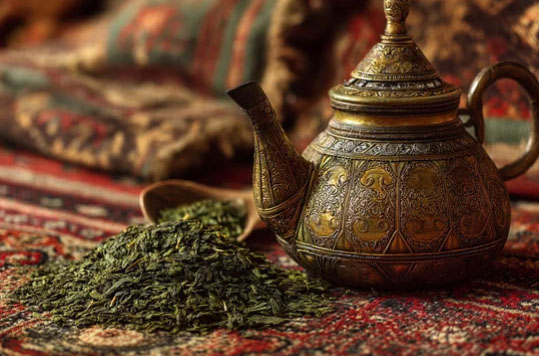
Turkmen Green Tea
A Cup of Ancient Hospitality.

Chorek (Turkmen Tamdyr Bread)
The Sacred Heart of Every Table.
トルクメニスタンの歴史
Where the Footsteps of Conquerors Meet the Silent Ruins
Discover a nation forged at the crossroads of civilizations, where the spirit of the Seljuks and the legacy of the Silk Road live on. In the shadows of azure domes and timeless fortresses, the story of a culture shaped by both the harsh desert and the pursuit of golden knowledge continues to unfold.
古代
アケメネス朝ペルシア(紀元前6世紀 - 紀元前330年)
キュロス大王による支配。中央アジアの交易を掌握。
マケドニア王国(紀元前330年 - 紀元前323年)
アレクサンドロス大王の遠征により、ギリシャ文化がもたらされる。
セレウコス朝(紀元前312年 - 紀元前250年頃)
ギリシャの後継王朝。文化交流が活発化。
アルサケス朝(パルティア)(紀元前247年 - 224年)
トルクメニスタン南部を拠点とし、シルクロードの重要地として発展。
サーサーン朝ペルシア(224年 - 651年)
ゾロアスター教の伝播とペルシャ文化の隆盛。
中世
イスラム帝国(ウマイヤ朝・アッバース朝) (651年 - 9世紀頃)
アラブのイスラム帝国に征服され、イスラム教が定着。
セルジューク朝 (1037年 - 1194年)
トルコ系民族の支配が始まり、文化の黄金時代。
ホラズム・シャー朝(1077年 - 1231年)
トルクメニスタンを中心に独立王朝を建設。
モンゴル帝国(13世紀)
チンギス・ハーンの侵攻により広範囲が征服される。
ティムール朝(1370年 - 1507年)
ヘラートが文化と学問の中心地として栄える。
近世
ブハラ・ハン国、ヒヴァ・ハン国、コーカンド・ハン国 (16世紀 - 19世紀)
トルクメニスタンを含む地域でトルコ系イスラム王朝が支配。
ウズベキスタンのハン国が比較的早くロシアの保護領になったのに対し、トルクメン人は最後まで激しく抵抗しました。
近現代・現代
ロシア帝国 (19世紀後半 - 1917年)
中央アジア併合の一環としてトルクメニスタンも支配下に。
ジオク・テペの戦い(1881年): ロシア軍によるトルクメン人の大虐殺が起きた場所です。この凄惨な敗北が、現在のトルクメニスタンの「閉鎖的で、自分たちの国を必死に守ろうとする」国民性のルーツの一つとも言われています。
ソビエト連邦(1924年 - 1991年)
1924年にトルキスタン自治ソビエト社会主義共和国を民族別の共和国に再編し、トルクメン・ソビエト社会主義共和国としてソ連を構成する国の一つとなった。
農業集団化に反発した遊牧民の抵抗が1936年ごろまで続いた。
1948年には大震災に見舞われ、11万人の犠牲者を出した。
トルクメニスタン共和国(1991年 - 現在)
ソ連崩壊に伴い独立を達成。
トルクメニスタンは、シルクロードを通じた文化や交易の交流点であり、歴史的に豊かな遺産を持つ国です。
沈黙と抵抗の美学
隣国が三ハン国の下で栄える中、トルクメン諸部族は砂漠の猛々しい守護者であり続けました。彼らの歴史は都市の城壁ではなく、遊牧の独立、そして北方の帝国に対する悲劇的で英雄的な抵抗の歴史です。