Beneath the Roof of the World
Tajikistan: Where Mountains Touch the Silk Road
Home to the Pamir Plateau, often called the “Roof of the World,” Tajikistan is a land where breathtaking natural grandeur meets the enduring legacy of the Silk Road. From towering peaks to ancient trade routes, explore its most iconic destinations region by region.
Roof of the World & Untamed Beauty
Iconic Landmarks
Where legends of Alexander echo across the mountains— and even reach the stars of Iscandar.
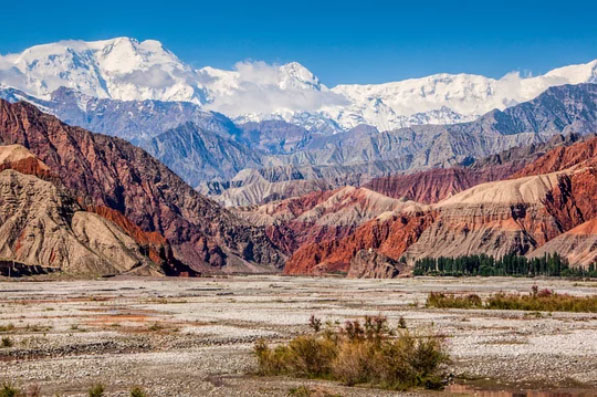
Pamir Plateau
Known as the “Roof of the World,” this vast highland stretches across elevations of over 4,000 meters. Once part of the Silk Road, it remains a land of untouched nature where nomadic traditions continue to thrive—Tajikistan’s most iconic highlight.
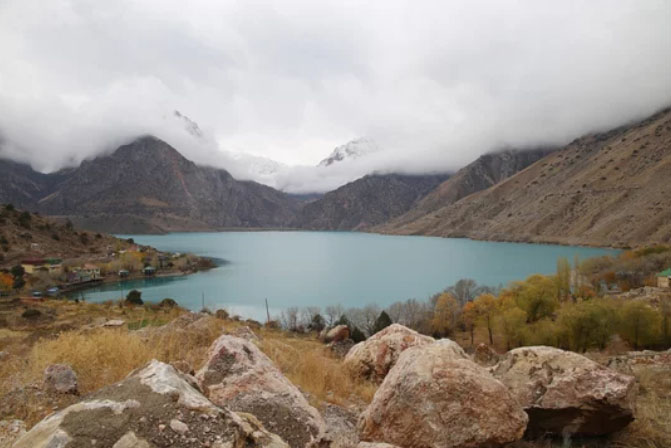
Iskanderkul Lake
Believed to be named after Alexander the Great, this stunning lake is famed for its emerald waters set against a backdrop of snow-capped mountains. A popular destination for hiking and nature पर्यटन, it offers some of the most picturesque scenery in Tajikistan.
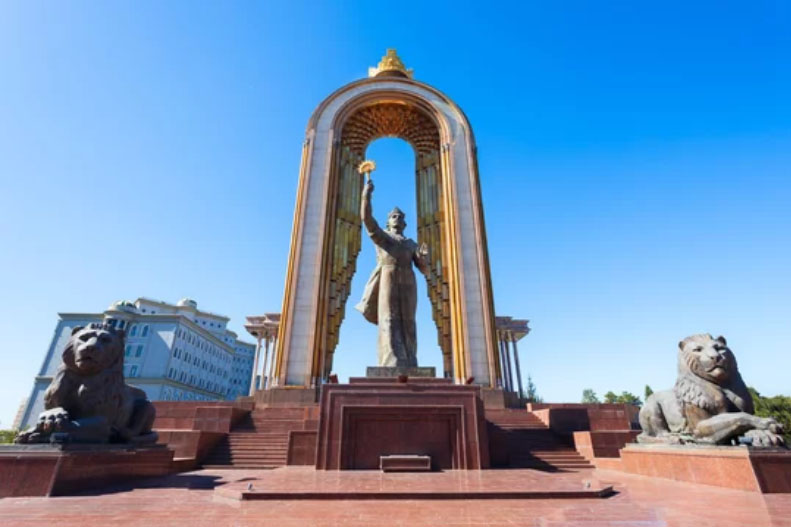
Dushanbe
The political and cultural heart of Tajikistan, where modern cityscapes blend with Soviet-era architecture. Its lively bazaars and museums offer a glimpse into the rich history of the Silk Road.The Ismoil Somoni Monument is a विशाल statue honoring Ismoil Somoni, the father of the Tajik nation.
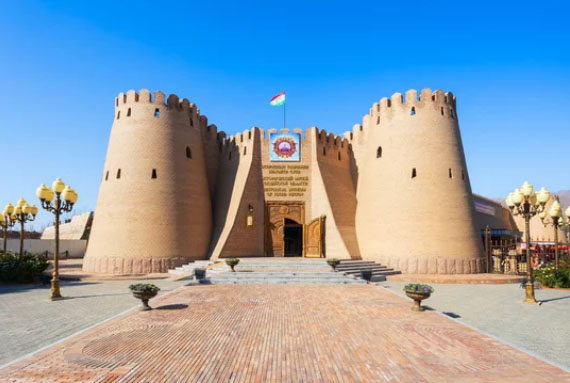
Khujand
A historic city that flourished as a key hub along the Silk Road. Linked to the campaigns of Alexander the Great, it still preserves the legacy of Central Asia’s ancient trade routes.
Flavors of Mountain Heritage
Hearty, time-honored dishes shaped by life in the highlands, where grains, meat, and dairy reflect deep-rooted traditions of the Silk Road.
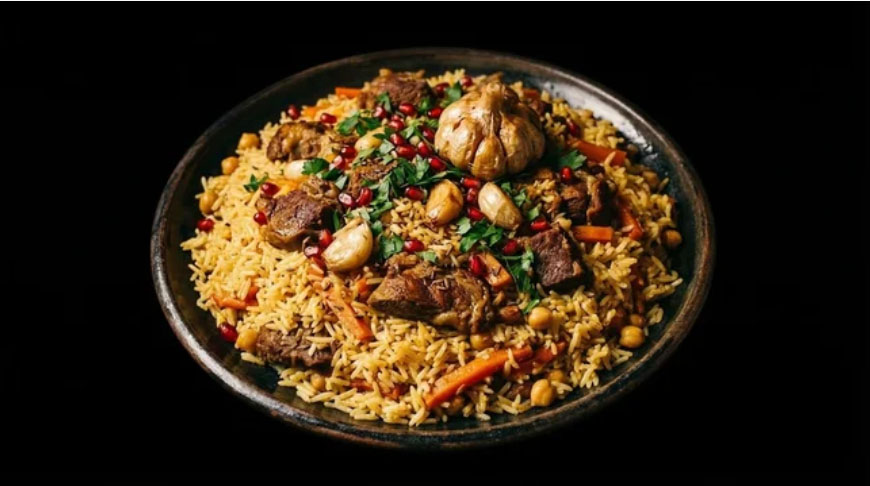
Osh (Plov)
A fragrant rice dish cooked with lamb, carrots, and spices, often considered the national dish. Rich, hearty, and deeply rooted in Silk Road culinary traditions.
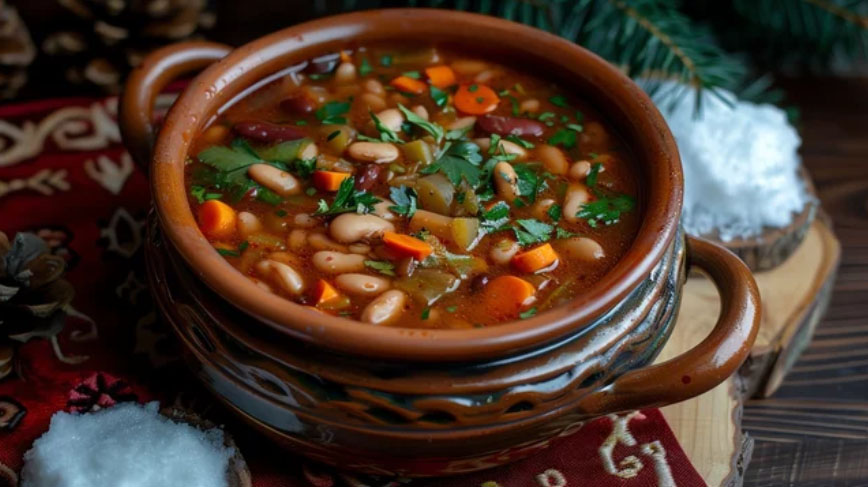
Shurbo
A Taste of Mountain Purity, this rich golden honey—often enjoyed like jam—captures the essence of wild alpine flowers and the untouched nature of Tajikistan
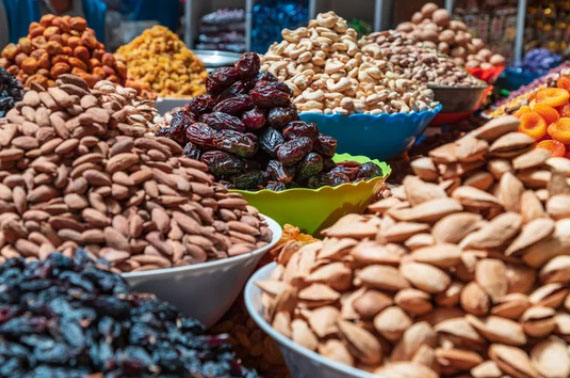
Nuts & Dried Fruits
A simple yet cherished assortment of almonds, walnuts, raisins, and dried apricots—reflecting the natural bounty of the region and its deep-rooted Silk Road heritage.
タジキスタン共和国の歴史
Crossroads of Empires & Mountain Kingdoms
From ancient Sogdian traders to the legacy of Persian dynasties and the Soviet era, discover a history shaped by Silk Road exchange, resilience, and life among the towering Pamirs.
古代
アケメネス朝ペルシア(紀元前6世紀 - 紀元前330年)
タジキスタンはアケメネス朝の一部として統治され、オクサス文明(アムダリア川流域)が栄えました。この地域は交易の要所であり、ゾロアスター教が広まりました。
マケドニア王国(紀元前4世紀)
アレクサンドロス大王がこの地を征服し、ヘレニズム文化が流入。
グレコ・バクトリア王国(紀元前250年頃)
ギリシャ系国家として成立し、東西文化が融合しながら繁栄。
クシャーン朝(1~3世紀)
広大な領域を支配し、シルクロード交易が発展。仏教文化も広まる。
サーサーン朝ペルシア(224年 - 651年)
ゾロアスター教が国教として確立され、ペルシア文化が地域に深く根付く。東西交易の要衝として重要な役割を担う。
突厥帝国(6世紀中頃 - 8世紀)
テュルク系遊牧民(突厥)が台頭し、草原地帯を中心に政治的主導権を握る。次第に地域のテュルク化が進行。
ソグド人の活躍(7世紀)
ソグド人(中央アジアのイラン系商人)がシルクロード交易で活躍し、この地域の交易が最盛期を迎える。
中世
アラブ勢力の侵入 (8世紀以降)
アラブ勢力の侵入、土着のイラン系住民がイスラム教を受容。テュルク系諸民族がこれらイラン系住民をタジクと呼ぶようになる。
サーマーン朝(819年 - 999年)
サーマーン朝はイラン系イスラム王朝で、ブハラを中心に文化と学問が栄えました。この時期、タジキスタンはイスラム文化の重要な拠点となり、ペルシャ文学や科学が発展しました。
モンゴル帝国(13世紀)
チンギス・ハーンの侵攻により、タジキスタン地域はモンゴル帝国の支配下に入りました。モンゴルの統治は破壊的でしたが、後に交易路の復興が進みました。
ティムール朝(1370年 - 1507年)
ティムール朝の時代、ヘラートやサマルカンドが文化と学問の中心地として栄えました。タジキスタンもこの文化的ルネサンスの影響を受けました。
近世
シャイバーン朝(16世紀)
テュルク系(ウズベク)国家、シャイバーン朝の支配
タジク人(イラン系・定住)都市に住む・農業・商業・文化→ ペルシア語・学問・行政
ウズベク(テュルク系・支配層)軍事・支配層→ 遊牧出身・王朝を作る
ブハラ・ハン国(16世紀 - 19世紀)
タジキスタンはブハラ・ハン国の一部として統治され、イスラム文化が引き続き発展しました。
近現代・現代
ロシア帝国 (19世紀後半 - 1917年)
現在のタジキスタン北部がロシア帝国に併合。ロシア帝国の中央アジア進出により、タジキスタンはロシアの支配下に入りました。この時期、伝統的な生活様式が変化し、ロシア移民の影響が広がりました。
ソビエト連邦(1924年 - 1991年)
1929年: タジク・ソビエト社会主義共和国が設立され、ソビエト連邦の一部となりました。
政策: 農業の集団化(コルホーズ)や工業化が進められ、教育や医療が整備されましたが、伝統文化の抑圧も見られました。
影響: ソビエト時代には、インフラ整備や識字率の向上が進みました。
タジキスタン共和国(1991年 - 現在)
独立: ソビエト連邦の崩壊に伴い、1991年に独立を達成しました。
内戦(1992年 - 1997年): 独立直後に内戦が勃発し、多くの犠牲者を出しましたが、和平合意により安定を取り戻しました。
1999年: 大統領選挙が実施され、ラフモノフ大統領が再選
現在: 経済発展とインフラ整備が進行中ですが、依然として課題も多く、特に出稼ぎ労働者の送金が経済を支えています。
定住と遊牧
タジク(定住)とキルギス(遊牧)の歴史の残り方の違いは、生活様式の差に根本的な理由があります。タジク人は古くからオアシス都市や農耕地に定住し、ペルシア語を基盤とする高度な文字文化を発展させてきました。そのため、行政文書や歴史書、文学作品などが数多く記録され、都市や建築物とともに後世に残りやすい特徴があります。結果として、タジクの歴史は王朝や都市を軸に「いつ、どこで、何が起きたか」が明確に整理され、いわば「形として見える歴史」として伝えられてきました。
一方、キルギスをはじめとするテュルク系遊牧民は、広大な草原や高原を移動しながら生活する遊牧文化を基盤としていました。彼らは機動力に優れ、軍事的・政治的には大きな影響力を持ちましたが、定住しない生活のために恒久的な建築物や文書記録を残しにくい側面がありました。そのため、彼らの歴史は主に口承や外部の記録(中国史書やイスラム史料など)によって伝えられ、「どこに定住していたか」よりも「どのように移動し、勢力を広げたか」という動きとして理解されることが多くなります。
このように、タジクは社会や文化を内側から支え、記録として蓄積する役割を担い、キルギスに代表される遊牧民は広域を移動しながら政治的主導権を握り、歴史にダイナミックな変化をもたらしてきました。言い換えれば、タジクの歴史は「書き残され、積み重なる歴史」であり、遊牧民の歴史は「移動と変化の中で刻まれる歴史」といえます。この二つの異なる歴史のあり方が重なり合うことで、中央アジアは独特の多層的な歴史世界を形成しているのです。